HCU × TU Vienna
Unsealing Ground Surfaces
Showcasing the need for greener magistral streets in Hamburg.
Context
Wandsbek Markt
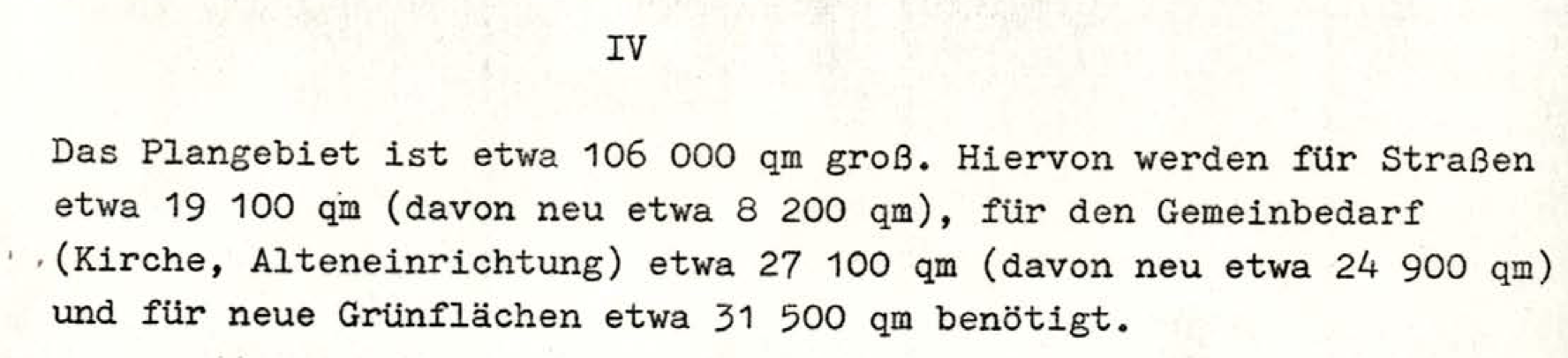
This historic construction report from the City of Hamburg outlines its plans for Wandsbek. The borough covers an area of approximately 106,000,000 m² (106 km²). According to the report, only about 30% of this area is designated as natural or green space. Is that enough?
Climate Data
The city is heating up.
The area around Wandsbek Markt is heavily affected by climate change. As the map shows, the area is expected to experience approximately 11–12 days per year with temperatures above 30°C by 2050 if no action is taken (Free and Hanseatic City of Hamburg - Department of Urban Development and Environment, 2011).
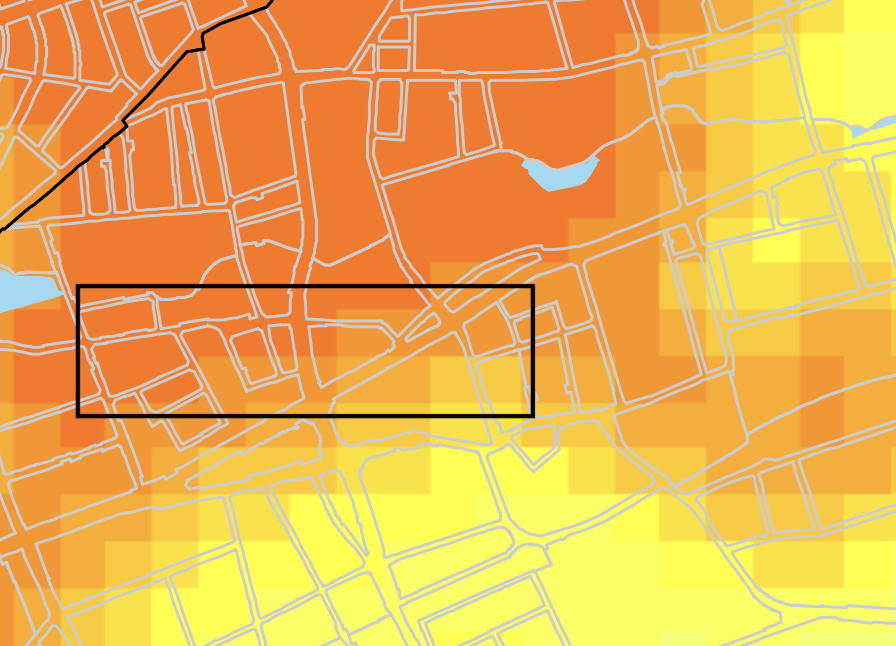
Number of days per year with a maximum temperature above 30°C
(daily situation, period 2046–2055)
Base model for the projection: CLM with the CO2 scenario A1B
- < 1
- 1 – 2
- 2 – 3
- 3 – 4
- 4 – 5
- 5 – 6
- 6 – 7
- 7 – 8
- 8 – 9
- 9 – 10
- 10 – 11
- 11 – 12
- Water bodies
Existing data
Data shows: a lot of sealed ground.
The ground coverage data shows that around Wandsbeker Markt ground surfaces are dominated by concrete street cover, sealed pavement and buildings. High and low vegetation appear only in scattered courtyards and green strips, while open ground and water bodies are nearly absent. This confirms Hamburg's citywide trend, where overall sealing rose from 31.0% (2020) to 31.2% (2022) — with inner-city districts like Wandsbek exceeding the average, intensifying heat islands and limiting stormwater infiltration (LGV, 2022).
Ground Cover
- High vegetation
- Low vegetation
- Buildings
- Sealed surfaces
- Water bodies
- Open ground
Existing data
Surface Permeability?
The light and dark green areas show that the underlying soil at Wandsbek Markt actually has strong infiltration potential. Extensive surface sealing prevents rainwater from reaching the ground and leads it straight into the sewer system. Reducing sealed surfaces would relieve this drainage network during heavy rainfall events and let more water infiltrate directly into the soil.
Legend
- 0 - 1 m, unlikely
- 1 - 2 m, limited
- 2 - 5 m, likely
- > 5 m, possible
Data Collection
The Route
To gather qualitative date and map the surface potential, a site survey of the Wandsbek Markt area was conducted on July 14th 2026 at noon. This map shows the route of the research team, indicated by the dashed line, with its starting and ending points.
New data
Gathering Surface Data Points.
Along the route, special attention was paid to soil conditions and soil sealing. This data is represented on the map by data points. The gray points indicate more heavily sealed areas, while the green points represent unsealed and green spaces. Clicking on a point displays photos taken at that location. It becomes clear that, especially in high temperatures, open spaces with less paving encourage people to linger.
Potentials
We see potential in using urban development processes to unseal ground surfaces.
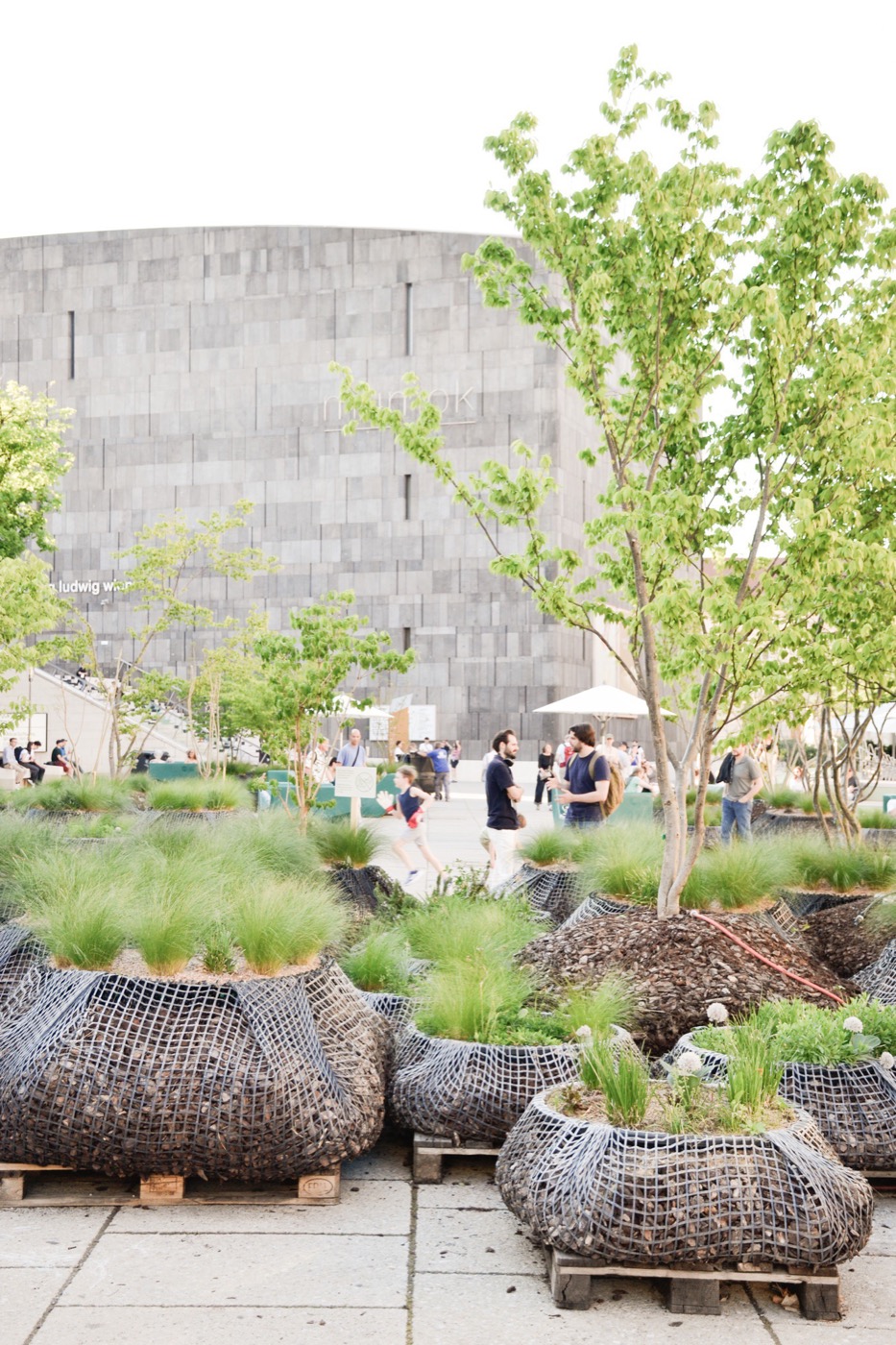
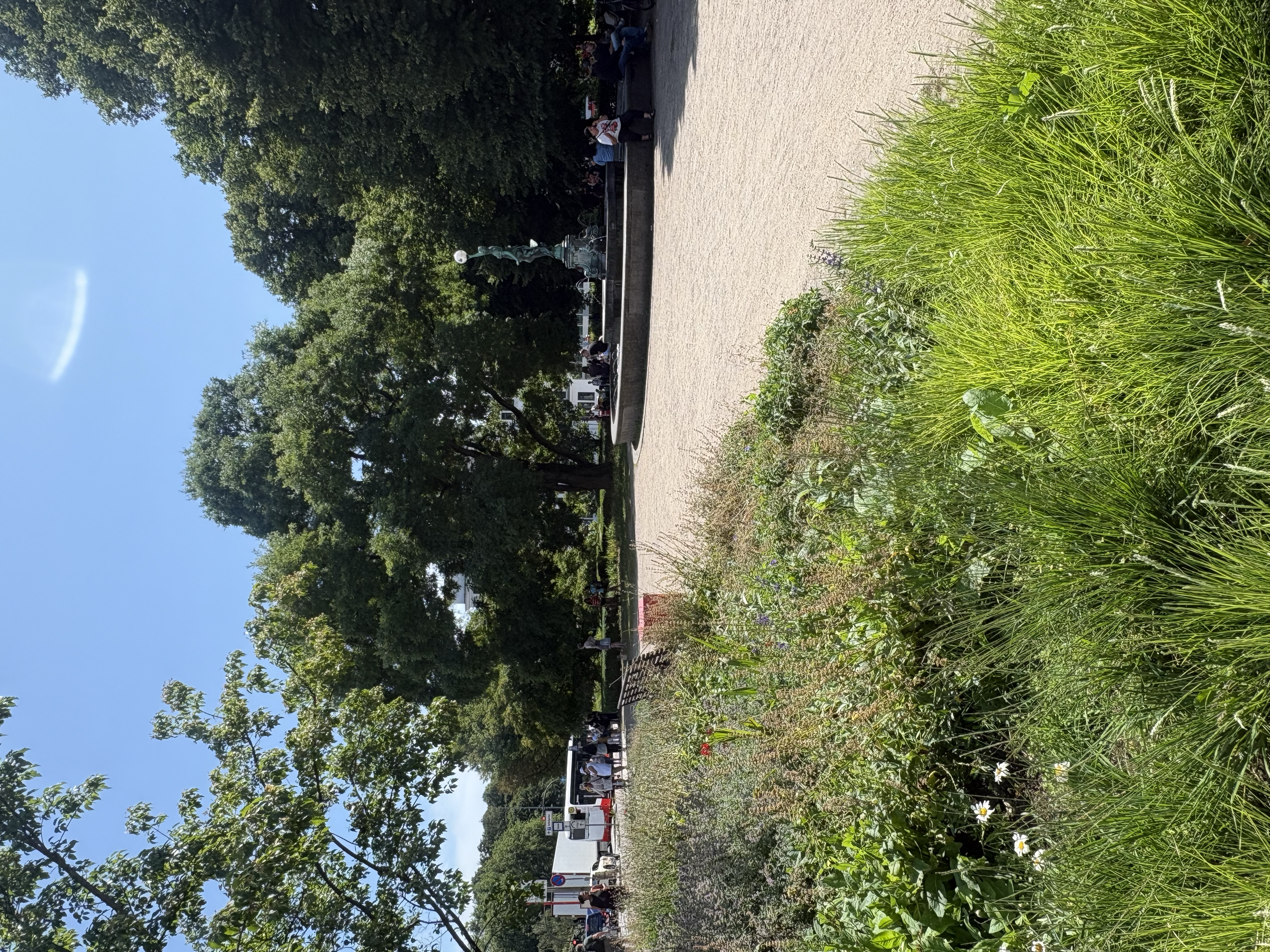
Every square meter of land that is unsealed contributes to a healthier environment, improves the local climate, and enhances the quality of life for residents. There are already some unsealed and thermally comfortable areas around Wandsbekt Markt, such as the Puvogel Garden. Nevertheless, the highly frequented space of the Wandsbek farmers market is located on a completely sealed surface, which contributes to higher temperatures and creates a less comfortable environment. Taking inspiration from the movable planters implemented at the Museumsquarter in Vienna, new visions can emerge.
Potentials
Locating intervention areas.
To promote surface unsealing at Wandsbek Markt, a vision and the willingness to open up spaces for change are required. The green outlines on this map are intended to show where changes are necessary due to high levels of surface sealing and which best-practice examples might be suitable for the site. By clicking on the green markers some good practice projects are displayed.
Get active
Interested? There are already ways to support this matter.
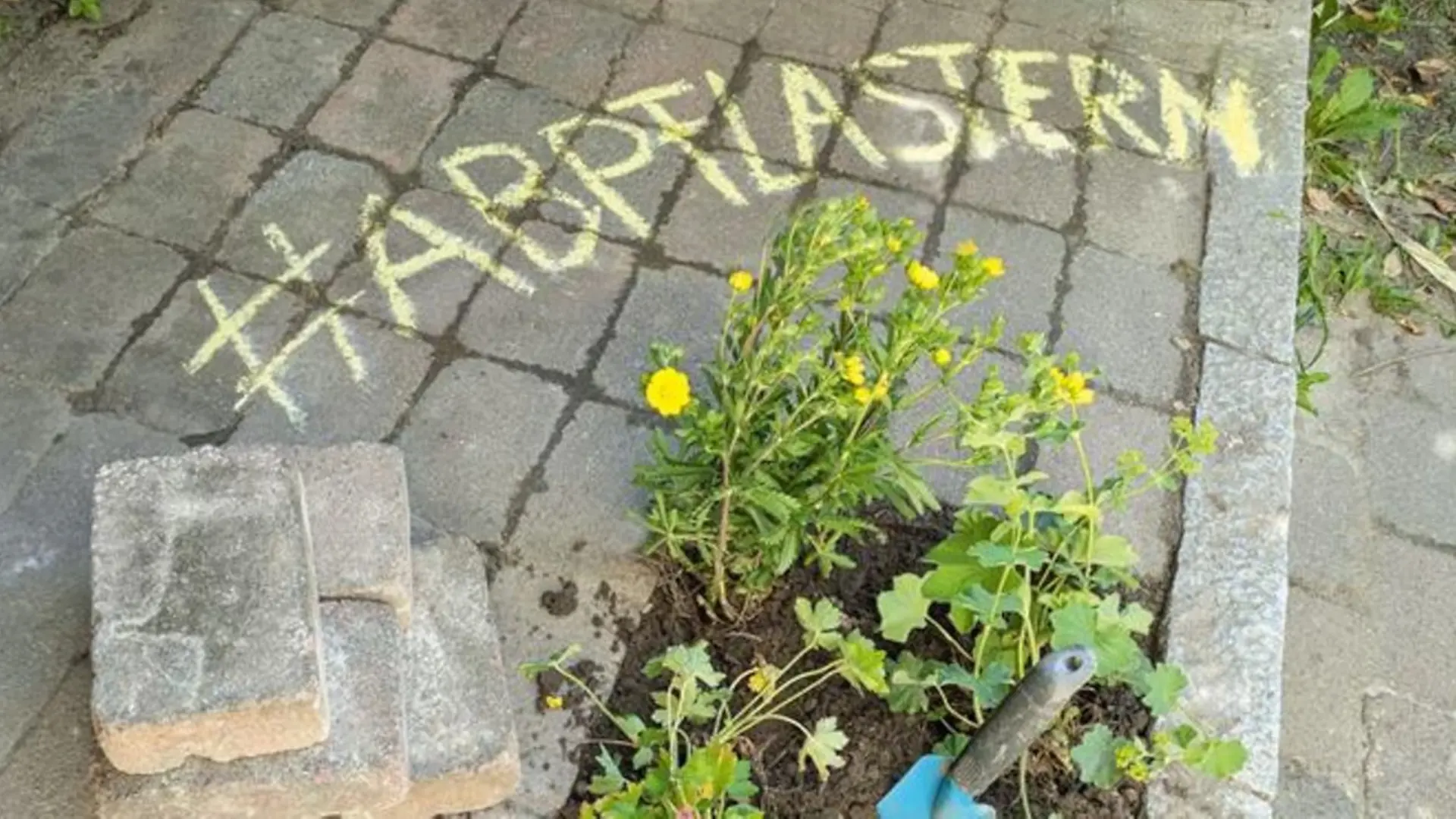
The initiative "Abpflastern" has already recognized the problem of missing permeable surfaces and has called upon all people in Hamburg to participate and support this project, and to pave off sealed surfaces for a cooler, more livable city (NDR Hamburg, 2026).
Project Team
HCU × TU Vienna — Data Stories Wandsbek Markt
Armida Nazari · Madita Trosien · Stella Morgenstern
Claude AI was used to assist in the implementation and editing of the HTML and CSS code for the Data Stories website.